
Advancing Animal Management
More than a fun family attraction and educational destination, the WNC Nature Center participates in species management programs through the Association of Zoos and Aquariums and The US Fish and Wildlife Department. These programs help to establish viable populations and promote species survival.
North American River Otter
Since 2005, the WNC Nature Center has promoted a healthy and genetically diverse North American river otter population by participating in AZA’s Population Management Plan program. This program studies current demographic and genetic status of river otters to ensure these creatures maintain a healthy balance with their habitat and human neighbors.
Cougar
Once found throughout Western North Carolina, the Eastern cougar is now absent in the wild of the Appalachian region. The WNC Nature Center participates in the cougar Population Management Plan program to ensure that these animals don’t disappear from their few remaining North American habitats.
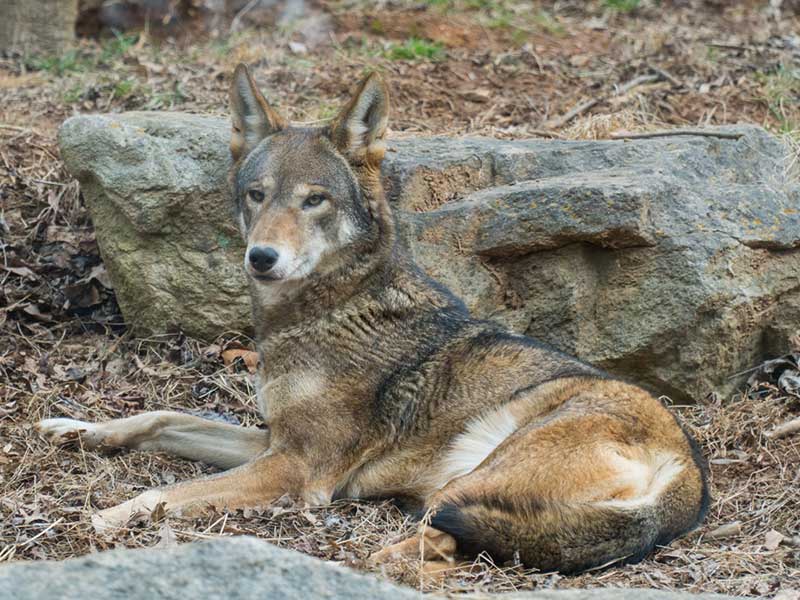
The Red Wolf
In 1980, the red wolf was declared officially extinct in the wild. With only 250 captive red wolves currently in the United States, this species’ survival relies on programs like the AZA’s Species Survival Plan. As one of only 46 red wolf breeding sites, the WNC Nature Center is a crucial partner in this animal’s survival.
Beyond Our Center
Our commitment to good stewardship of wildlife doesn’t end at our front gate. From our black bears to our pair of playful otters, our animals serve as ambassadors for their wild counterparts. The WNC Nature Center helps protect the wildlife of the Southern Appalachians through collaborative programs to educate the public, conduct research, and support the protection of sensitive wildlife areas.