OPEN TODAY: 10AM-4:30PM Last Admission @ 3:30

More Than A Zoo: Eli Strull

 More Than A Zoo: Highlighting the personal connections and the broader impact of the WNC Nature Center in its 100th year

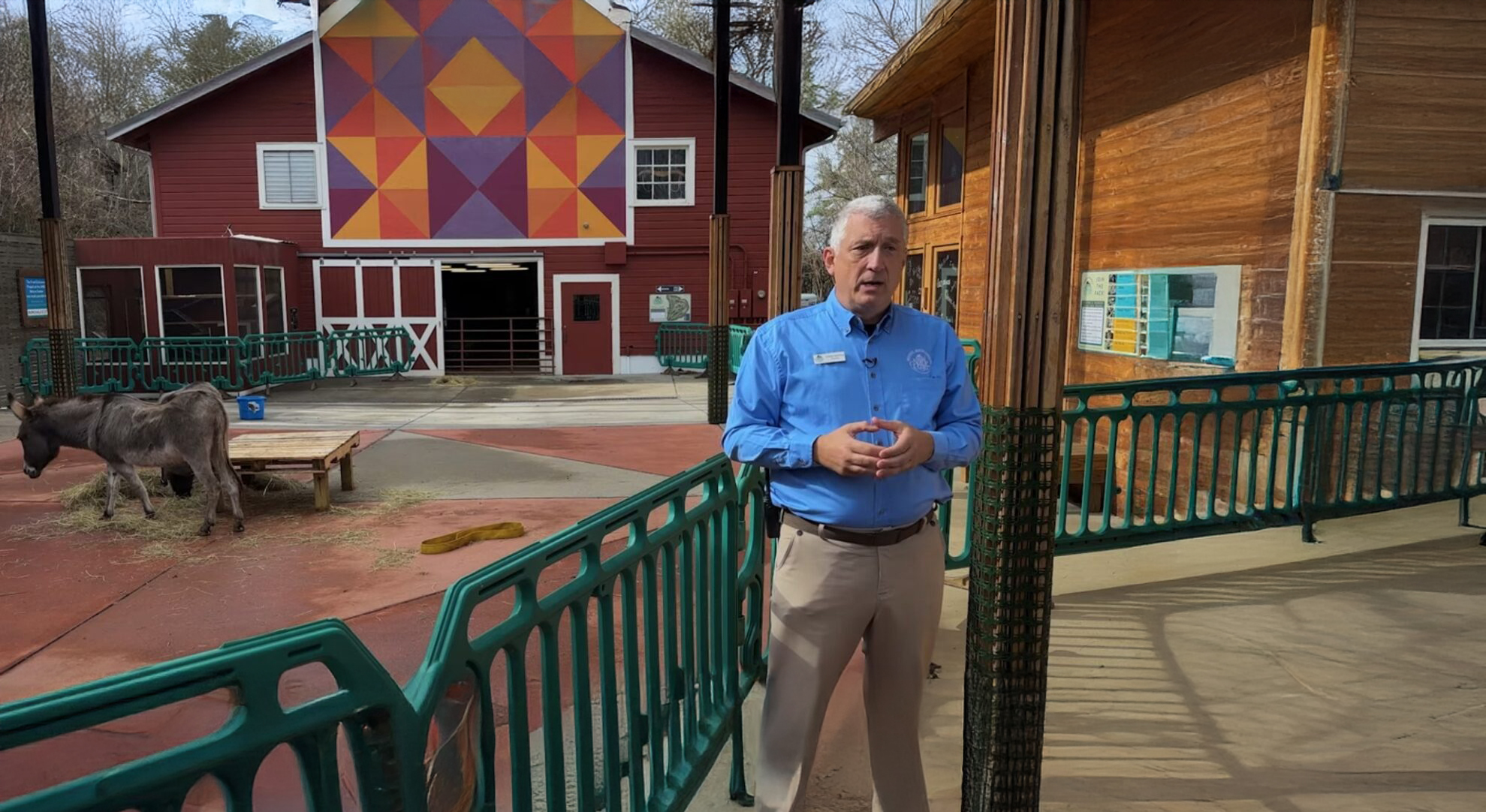
Each month during our centennial year, we’ll be interviewing people who have had an impact on the Nature Center. This month’s Q&A is with Eli Strull, who is the longest tenured employee at the WNC Nature Center. 

Meet Eli Strull

What is your role at the Nature Center?
Curator of Education and Guest Experience

Personal Connection

How did your journey with the WNC Nature Center begin?
I started working here in spring 2001 as an Education/Exhibits Assistant, when the Nature Center was run by Buncombe County. Interactions with guests and program participants continue to fulfill me, and the Nature Center’s mission still aligns strongly with my passions. After all these years, I am still learning, trying new things, and experiencing wonder regularly.

Can you share a favorite memory or experience at the Nature Center that stands out to you?
The dedication of the staff here stands out to me as a consistent theme throughout the 20+ years I’ve had the pleasure to work with and learn from amazing groups of skilled, passionate professionals. That experience has been a wonderful gift!

What has been the greatest reward of your involvement with the Nature Center?
Seeing the Nature Center continue to improve consistently and experiencing how much our community and visitors value this place is especially rewarding for me. 

Mission & Impact

In your view, how does the Nature Center go beyond being a zoo?  
The focus on native species and conservation of Appalachian organisms helps make this place special I think. The opportunity to create personal connections with animals that share our mountain home and see them surrounded by natural habitat provides an experience that can bring a unique perspective and appreciation for what the Appalachians have to offer.


How has the Nature Center contributed to conservation efforts in Western North Carolina?

Our educational approach of providing visitors with ways to aid wildlife in simple, concrete ways allows for a ripple effect, while we partner with other organizations to help endangered and threatened species.

What do you think the Nature Center’s 100-year legacy means to the community?
Having deep roots instills trust. The community has long lasting connections to this place that are made stronger by time and multiple generations of family members creating memories here.

Looking to the Future

What hopes do you have for the next 100 years of the WNC Nature Center?

A thriving facility that maintains the values of top notch services and continuous improvement. An endowment wouldn’t hurt either!

How can the community support the Nature Center’s mission moving forward?

There’s no shortage of ways for community members to be involved! Coming for a visit, recommending us to others, volunteering, and sharing knowledge to others about the vital role the natural world plays in human health and happiness, all are important parts of the puzzle.

What role do you see education playing in the future of wildlife conservation? What does this mean locally?

Cultivating care is huge. It’s commonly said that one can only protect what one understands. Please consider that for you. You may love a pet. Does that arise from understanding them? Maybe not. I think care is the key. I love my loved ones with every part of my being, but I certainly don’t always understand them! Helping people see first hand how wildlife brings value to their daily lives can help to build the care that’s essential for effective conservation efforts,

Fun Reflection

If you could be any animal at the Nature Center, which one would you be and why? 
I would choose to be a grey tree frog so I could know what it’s like to have suction cup feet. I have a clumsy side. Being able to stick the landing with consistency would be welcome!

What’s one surprising fact about the Nature Center that most people don’t know?
The WNC Nature Center is part of less than 10% of facilities exhibiting animals throughout the country that adhere to the gold standards of animal, care, education, conservation, and more required to be accredited by the Association of Zoos and Aquariums (AZA).

Describe the Nature Center in 3 words
Fun
Interesting
Resource
More Than A Zoo: Kate Frost

 More Than A Zoo: Highlighting the personal connections and the broader impact of the WNC Nature Center in its 100th year

Each month during our centennial year, we’ll be interviewing people who have had an impact on the Nature Center. This month’s Q&A is with Kate Frost, the Executive Director of the Friends of the WNC Nature Center. 

Meet Kate Frost

What is your role at the Nature Center?
I’m the Executive Director of the Friends of the WNC Nature Center.

Personal Connection

How did your journey with the WNC Nature Center begin?
I grew up here in Asheville and visited the WNC Nature Center as a child. In fact, many of our current employees at the WNC Nature Center and the Friends of the WNC Nature Center were visitors as children! I’ve always loved animals, and I jumped at the opportunity to put my passion and purpose together and become the Friends’ Development Director in 2019. Three years later, I became the Executive Director of this incredible organization!

Can you share a favorite memory or experience at the Nature Center that stands out to you?
My favorite memory has to be the first time I brought my niece to visit the WNC Nature Center. I’ve always enjoyed visiting with friends and other adults, but to see the zoo through her little eyes was such an adventure in itself. As a two year old, she called all the predator cats “meows” and the wolves “woofs.” Now she’s eleven years old and has participated in all the fun Nature Center experiences, including summer camp, Junior Wolf Howl, and school field trips. 

What has been the greatest reward of your involvement with the Nature Center?
When I was a little girl, I made business cards saying I was the Keeper of the Lions, Tigers, and Bears. As I grew up, my career path didn’t guide me toward animal care, but my love for animals never waned. To be able to come full circle after almost twenty years as a nonprofit fundraising professional and get to play a role in protecting wildlife where I grew up is a dream I didn’t think would become reality. No, I’m not an animal keeper, but in my own way, I am taking care of them by supporting their conservation. 


Mission & Impact

In your view, how does the Nature Center go beyond being a zoo?  
The WNC Nature Center goes beyond being a zoo because it combines animal care, conservation, education, and community engagement into a single, powerful mission. Each part supports the others, making the whole greater than the sum of its parts. Together, we’re inspiring people, protecting wildlife, and strengthening our connection to the natural world and each other.

What do you think the Nature Center’s 100-year legacy means to the community?
We’ve come a long way in one hundred years! I love that we’ve grown and changed during this journey. Over the decades, the Nature Center has evolved to reflect the vision of the local community by embracing challenges and learning lessons that strengthened our mission. It’s a place of lifelong learning, where people connect with wildlife, deepen their understanding of nature, and take part in protecting the environment for generations to come.


What role do you see education playing in the future of wildlife conservation? What does this mean locally?
Education sparks curiosity. It transforms wildlife conservation from something that scientists and zoos do into something that whole communities live. The WNC Nature Center and the Friends are empowering our community to understand that protecting native wildlife is a long-term commitment that is worth the investment. Today’s curious child learning about the natural world around them could be tomorrow’s biologist, policymaker, or environmental educator.

Fun Reflection

If you could be any animal at the Nature Center, which one would you be and why? 
I’d have to say red panda. My first week on the job was also the first week that Leafa and Phoenix were introduced to the public at the WNC Nature Center, so that’ll always be a special memory.

And I love taking naps, so it feels like a natural fit!

What’s one surprising fact about the Nature Center that most people don’t know?
The WNC Nature Center plays an active role in the conservation of the critically endangered American Red Wolf as a breeding site. In fact, when our nine Red Wolf pups were born in March 2023, they and their parents comprised about 5 percent of the entire population of Red Wolves under human care! That’s a huge accomplishment for a smaller zoo!

Describe the Nature Center in 3 words
Wild
Natural
Beloved

Are you interested in learning more about becoming a board member of the Friends of the WNC Nature Center? Email Kate at [email protected]. Want to learn more about how to become a volunteer? Visit dev.wildwnc.org/volunteer.

More Than A Zoo: Dr. Marcia Vodicka

 More Than A Zoo: Highlighting the personal connections and the broader impact of the WNC Nature Center in its 100th year

Each month during our centennial year, we’ll be interviewing people who have had an impact on the Nature Center. This month’s Q&A is with Dr. Marcia Vodicka. Dr. Vodicka is a longtime supporter of the WNC Nature Center and a former board member of the Friends of the WNC Nature Center.

Meet Marcia Vodicka

What was your role at the Nature Center?
I was a volunteer for five years, between 2001 and 2006. I worked as a roving naturalist, as well as at the main entrance in reception, because they were very busy and needed the extra hands. I worked a bit in the old butterfly exhibit – the hoop house, and also in the farmyard. I was also Secretary on the Board of Directors of the Friends organization.

Personal Connection

How did your journey with the WNC Nature Center begin?
I was looking for a volunteer job. I always loved critters and nature, so it was a logical fit.

Can you share a favorite memory or experience at the Nature Center that stands out to you?
I have several! 

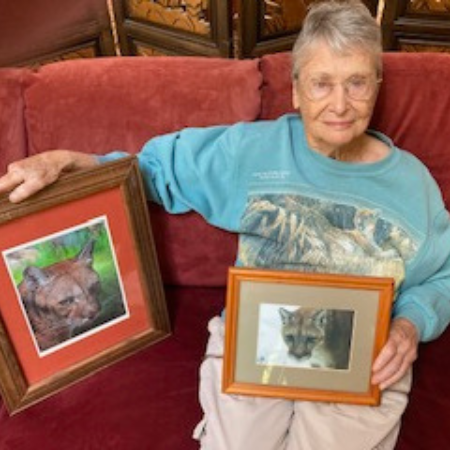
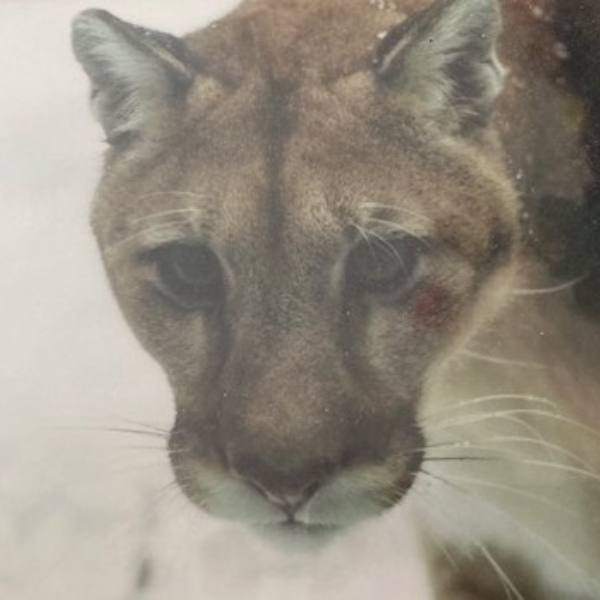
One day, I went over to the cougar and bobcat exhibits. I hadn’t been there too long, looking at the bobcats, when I heard a “meow” behind me. I looked around me, expecting a house cat, and there was the cougar Satch, meowing at me! I had no idea that big cats like that would meow. And after that, every time I’d go visit Satch, he’d go lay down by the tree near the viewing area and I would speak with him and tell him how wonderful he was. Having a cougar meow at you was something special. It changed a lot of things for me. I had a very nice relationship with that big cat. 

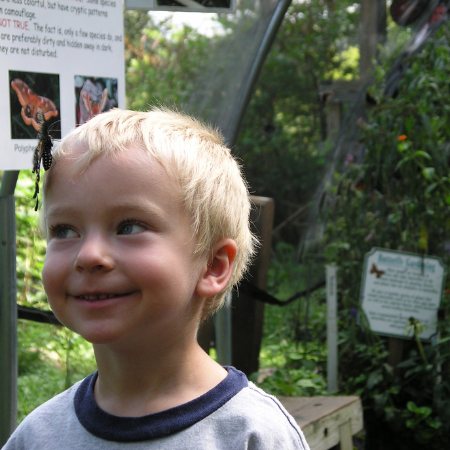
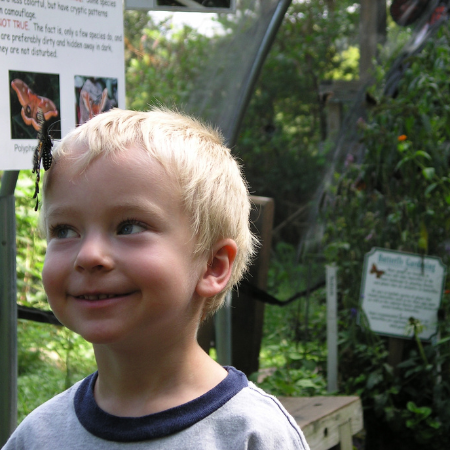
Another special moment was at the butterfly hoop house. We’d put sugar water on people’s hands, to attract the pollinators. One day, this little boy attracted ALL the butterflies – on his arms and on his hat – and he just stood there very quietly, and so respectfully. His grandparents just stood there enraptured, just looking at him. It was a beautiful sight!

What has been the greatest reward of your involvement with the Nature Center?
Without a doubt – apart from learning so much about animals and to respect them more – it was the opportunity to work with totally dedicated people like Keith Masters, Eli Strull, Mary Jane Churchill. They were so dedicated to their work and to those animals. I truly enjoyed the company as well as getting to know and seeing the animals. It was really one of the best experiences of my life. 


Dr. Vodicka now lives across the country, but she has photos of Satch and Val (her beloved cougars) framed in her home! 

Mission & Impact

In your view, how does the Nature Center go beyond being a zoo?  
In my youth, I visited traditional zoos. There were so many cages and animals in distress. Animals that were there for the sake of being “collected.” The Nature Center goes beyond being a zoo because it only takes animals that have been injured or were imprinted upon by humans and can no longer survive in the wild. The Nature Center’s work with these “ambassador animals” is so important because I like to think that these animals still have a chance – a mission – to educate, while also providing a fun experience for all ages. 

Also, it’s a humane place. Animal welfare is paramount; this includes the emotional AND physical welfare of all the animals. The animals at the Nature Center are there to live out their lives comfortably and as ambassadors of their species for all to learn from. 

How has the Nature Center contributed to conservation efforts in WNC?

The Nature Center has contributed to conservation efforts by way of the education it provides. Hopefully, this education will make people more concerned about what they do with our treasured local resources – whether it be animal or plant. 

I had an experience once while volunteering at the Nature Center that really stuck with me. I took out a cougar pelt, and a little boy said, “You should not have that fur!” He was visibly stuck that I had this pelt. He was already reactionary. He knew that we should not dispatch animals for their fur. He didn’t know the process by which we acquire these biofacts, but he knew that it came from an animal that was once living. This was an example of a child who learned to respect wildlife.

What hopes do you have for the next 100 years of the Nature Center?  

I hope it achieves more of its aims that people become more conscious of the environment and how important it is to them personally, but also to the creatures that live around us. Even the smallest creature has a purpose. I want people in the area to think more about that. 

I also feel that the Nature Center is a healing place. I’d like to see it continue to be a place of healing for all people and animals, and for it to be recognized more as such. 

Fun Reflection

If you could be any animal at the Nature Center, which one would you be and why? 
That’s a no brainer! A cougar! I’d like to know how they recruit people to come around and give them compliments.

Describe the Nature Center in 3 words
Humane
Enlightening
Fun

Are you interested in learning more about becoming a board member of the Friends of the WNC Nature Center? Email Kate at [email protected]. Want to learn more about how to become a volunteer? Visit dev.wildwnc.org/volunteer.

More Than A Zoo: Amy Cocanour

 More Than A Zoo: Highlighting the personal connections and the broader impact of the WNC Nature Center in its 100th year

Each month during our centennial year, we’ll be interviewing people who have had an impact on the Nature Center. This month’s Q&A is with Amy Cocanour. Amy is a current board member of the Friends of the WNC Nature Center and a long time volunteer.

Meet Amy Cocanour

What is your role at the Nature Center?
I’m a volunteer in the barnyard and have supported other assorted volunteer opportunities like Brews & Bears and special events, work days for habitats, and docenting, since 2018.  Currently, I’m on the Board of Directors of the Friends of the WNC Nature Center, and have served as Secretary, chair of the Fund Development Committee, and now Vice President.

Personal Connection

How did your journey with the WNC Nature Center begin, and what keeps you coming back?
I retired from the Coast Guard in 2017 and moved to Asheville. I knew that I wanted to volunteer with animals and had visited the Nature Center in the past. My husband thought it was a great idea because I couldn’t take the animals home!

Can you share a favorite memory or experience at the Nature Center that stands out to you?
I love all the animals, but several years ago I got the opportunity to feed Missy, our former bobcat, with tongs through the fence.  It was just thrilling for me and is probably the reason our newest bobcats, Tufts and Kohana, might be my favorite!

What has been the greatest reward of your involvement with the Nature Center?
Since I can’t take the animals home (see answer to the second question above), I enjoy helping to create a safe and enriching environment where the animals can thrive. I also enjoy helping people make a connection to them and care about nature.


Mission & Impact

In your view, how does the Nature Center go beyond being a zoo?  
These are (or in some cases were) animals, sometimes literally, in our backyard. Our focus on education and outreach, and the ability to bring ambassador animals and educators to the surrounding communities, really makes it different to me than a traditional zoo. 

How has the Nature Center contributed to conservation efforts in WNC?  When I think of “conservation” directly, I consider our Red Wolf program, which hopes to increase the numbers of the critically endangered Red Wolf population.  But I also think of conservation more broadly, hopefully the Nature Center experience encourages people to care for and conserve the environment and wildlife here in Western North Carolina.

What do you think the Nature Center’s 100 year legacy means to the community? 
The community should be proud that we were able to adapt from a focus on our own amusement at the expense of the animals to a focus on the well-being of the animals and a better understanding of them and their environment.

What hopes do you have for the next 100 years of the Nature Center?  
I hope that the Nature Center doesn’t become the only place where you might actually encounter most of these animals. I’d love to see us expand and improve our facilities and grounds so that we can share even more animals from Western North Carolina with our visitors. 

Looking to the Future

How can the community support the Nature Center’s mission moving forward?  
Become a member! Come to our special events. Adopt an animal! Support our fundraising campaigns to improve the Nature Center. Many people come with their children. I don’t have children, and I love coming to see the animals! I learn something new every time I visit. 

What role do you see education playing in the future of wildlife conservation? What does this mean locally?
Seeing animals up close and learning about them will hopefully make people care. The community needs to care about wildlife and understand the roles that they play in maintaining a healthy environment and ecosystem. If people don’t care, the future for the animals, the environment, and even us, is bleak.

Fun Reflection

If you could be any animal at the Nature Center, which one would you be and why? 
Well, honestly ANY animal at the Nature Center has a pretty good thing going! But I’d be an otter.  They always look like they are having fun, especially when they are swimming!

What’s one surprising fact about the Nature Center that most people don’t know?
The Nature Center is small but mighty! A very small team, only 11 Animal Care staff, take care of 150 animals at the Nature Center.

Describe the Nature Center in 3 words
Always something new

Are you interested in learning more about becoming a board member of the Friends of the WNC Nature Center? Email Kate at [email protected]. Want to learn more about how to become a volunteer? Visit dev.wildwnc.org/volunteer.

More Than A Zoo: Laura McCue

 More Than A Zoo: Highlighting the personal connections and the broader impact of the WNC Nature Center in its 100th year

Each month during our centennial year, we’ll be interviewing people who have had an impact on the Nature Center. This month’s Q&A is with Laura McCue. Laura is a current board member of the Friends of the WNC Nature Center and has deep family roots with us, as her mother, Jeanne Cummings, was a “Founding Mother” of the WNC Nature Center!

Meet Laura McCue

What is your role at the Nature Center? I am currently serving in my second term as a member of the Friends of the WNC Nature Center’s Board of Directors. I have served two terms, three different times, since returning to Asheville from Florida in 1986.

Personal Connection

How did your journey with the WNC Nature Center begin, and what keeps you coming back?

I was 13 years old during the beginning of the transition of the Asheville Zoo to the WNC Nature Center. My mother, Jeanne Cummings, was involved with the Zoo and its transformation through the Junior League of Asheville. She was tasked with fundraising for the new center. Together, we visited other nature centers, zoos and aquariums in North Carolina, South Carolina, and Tennessee to get ideas about what made those places special, and what we found most engaging. We took pictures and notes and upon our return, we presented our findings to the stakeholders, planners, and designers. 

I moved back to Asheville in 1986 and was drawn back into service for the Nature Center. I had my first child in 1987 and wanted to come full circle with my own kids, giving them the opportunity to explore and love the Nature Center as I did. Now I have grandkids, and I feel a sense of ownership over what the Nature Center has become today. My kids are so proud to come back. My mother was so proud to come back.


Bottom photo: A family trip to the WNC Nature Center – Jeanne Cummings, Founding Mother, is pictured to the front left of Laura.

Can you share a favorite memory or experience at the Nature Center that stands out to you?

When I was 15, I got my first summer job at the Nature Center through Buncombe County Parks and Recreation in the Youth Conservation Corps. 15 of us, all students, worked together with shovels and rakes to clear debris out of the area in preparation for its upcoming use as a new habitat – the Deer Pen. We had a great time working together and getting to know each other as we represented several different schools in the area. It was my first paid job!

What has been the greatest reward of your involvement with the Nature Center?

I served as Chair of the Board of Directors as we worked with the City of Asheville to save the Nature Center. At the time, it was in danger of being closed by City Council due to financial constraints, and they did not see the value of the Center. We worked very hard as a Board to negotiate a Memorandum of Understanding (MOU) with the City, in which the Friends of the WNC Nature Center would be responsible for raising a sum of money to support the Center annually. We were successful in our negotiations and to this day enjoy a great relationship with the City of Asheville, as they fully recognize the wonderful contributions the Center makes towards quality of life for locals and enjoyments of the area for tourists. 

Mission & Impact

In your view, how does the WNC Nature Center go beyond being just a zoo?

By providing experiences and opportunities to actually connect with the animals rather than just observing them. The Young Naturalist program has always interested me and the opportunity to serve the Nature Center as a docent is a near future aspiration.

How has the Nature Center contributed to conservation efforts in Western North Carolina?

By successfully teaching children and adults the joy and value of conserving both our natural plant life and animal life for future generations. And we are very good at it!

What do you think the Nature Center’s 100-year legacy means to the community?

Resilience. We have gone through a lot over so many years, and every time, the community steps up and gets involved in helping the Nature Center to stay resilient through it all. 

Looking to the Future

What hopes do you have for the next 100 years of the WNC Nature Center?

My hope is that the Center continues to grow and modernize as a safe and caring environment for many more animals and plant life that thrive there.

How can the community support the Nature Center’s mission moving forward?

Advocacy. By coming to the Nature Center and bringing people with you. I give out guest passes often to encourage people who might not have had the opportunity to go, or who might not have ever thought to go. The community can support the Nature Center through membership and by attending the many events that the Friends offer throughout the year.

What role do you see education playing in the future of wildlife conservation? What does this mean locally?

We need to continue providing outreach to area schools and other organizations to educate the community about the importance of environmental stewardship and conservation of the wildlife in our area.  If people do not see the value in doing so, they will not attach any importance to it.

Fun Reflection

If you could be any animal at the WNC Nature Center for a day, which one would you choose and why?

Why, the America River Otter, of course! How fun it would be to jump and slip and slide into the water for a swim, eat fish, and lie in the sun all day while children and adults delight in my antics! The otter was my mom’s favorite, too. She shared a nickname (Obie) with Obi-Wan!

What’s one surprising fact about the Nature Center that most people don’t know?

A lot of people new to the area, and visitors, don’t know that it was once an exotic animal zoo. We used to have chimpanzees, lions, tigers, elephants, and other exotic animals. 

Also, that the Center was once in the hands of the City, then the County, then the City…like a hot potato! It’s now – and hopefully forever – a City treasure.

How would you describe the Nature Center in three words?

    1. Southern

    2. Appalachian

    3. Wildlife

Are you interested in learning more about becoming a board member of the Friends of the WNC Nature Center? Email Kate at [email protected]. Want to learn more about the “Founding Mothers” and the history of the WNC Nature Center? Visit dev.wildwnc.org/celebrate.

More Than A Zoo: William Gay

 More Than A Zoo: Highlighting the personal connections and the broader impact of the WNC Nature Center in its 100th year

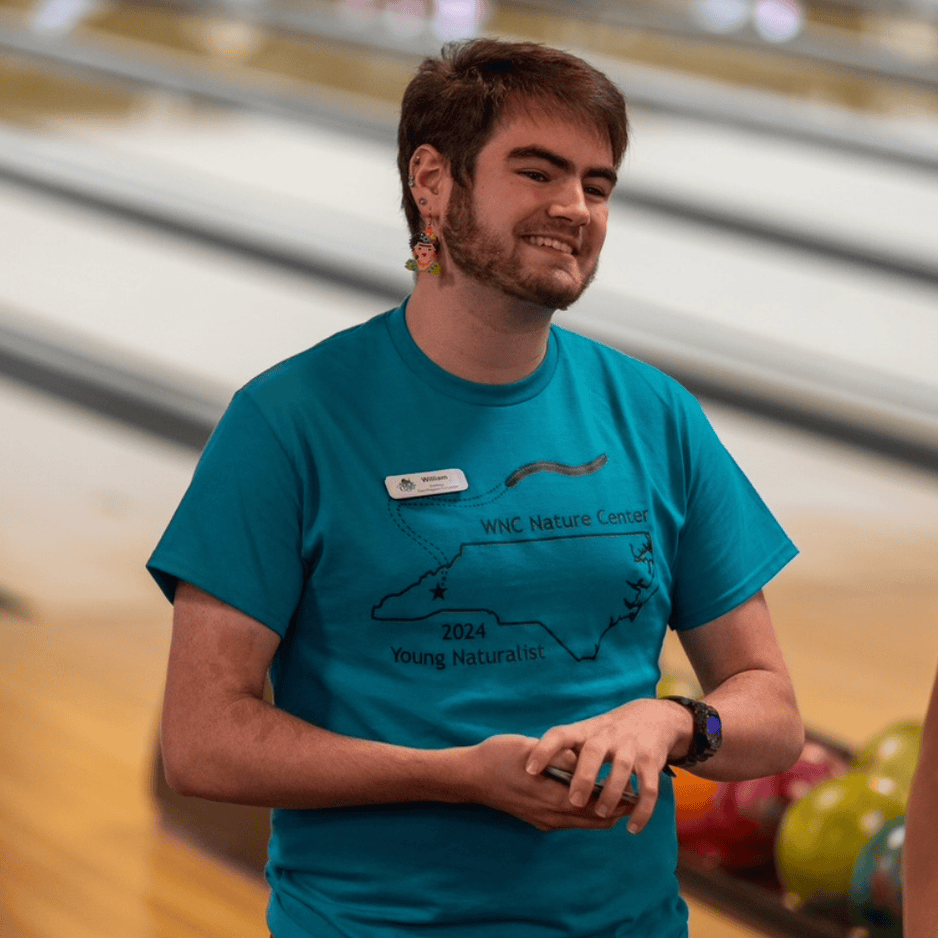
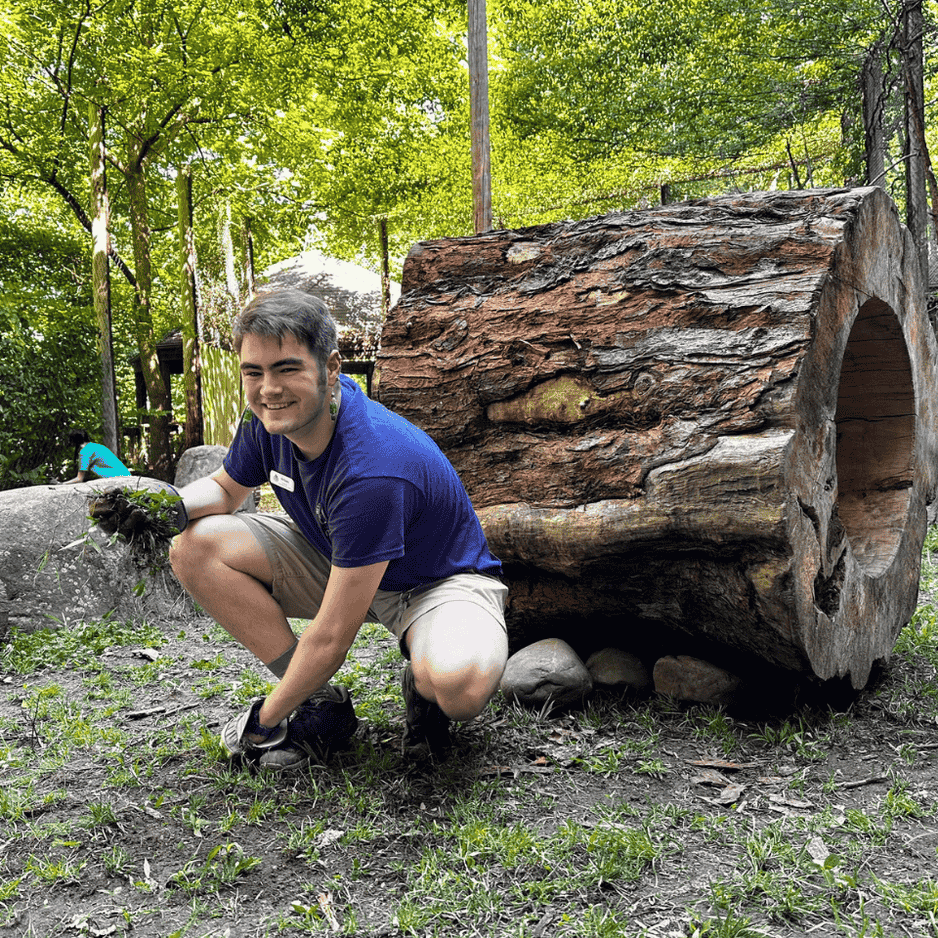
Each month during our centennial year, we’ll be interviewing people who have had an impact on the Nature Center. This month we’re getting a unique perspective from William, who made their way through our Young Naturalist program and is now helping lead the summer program.

Meet William Gay

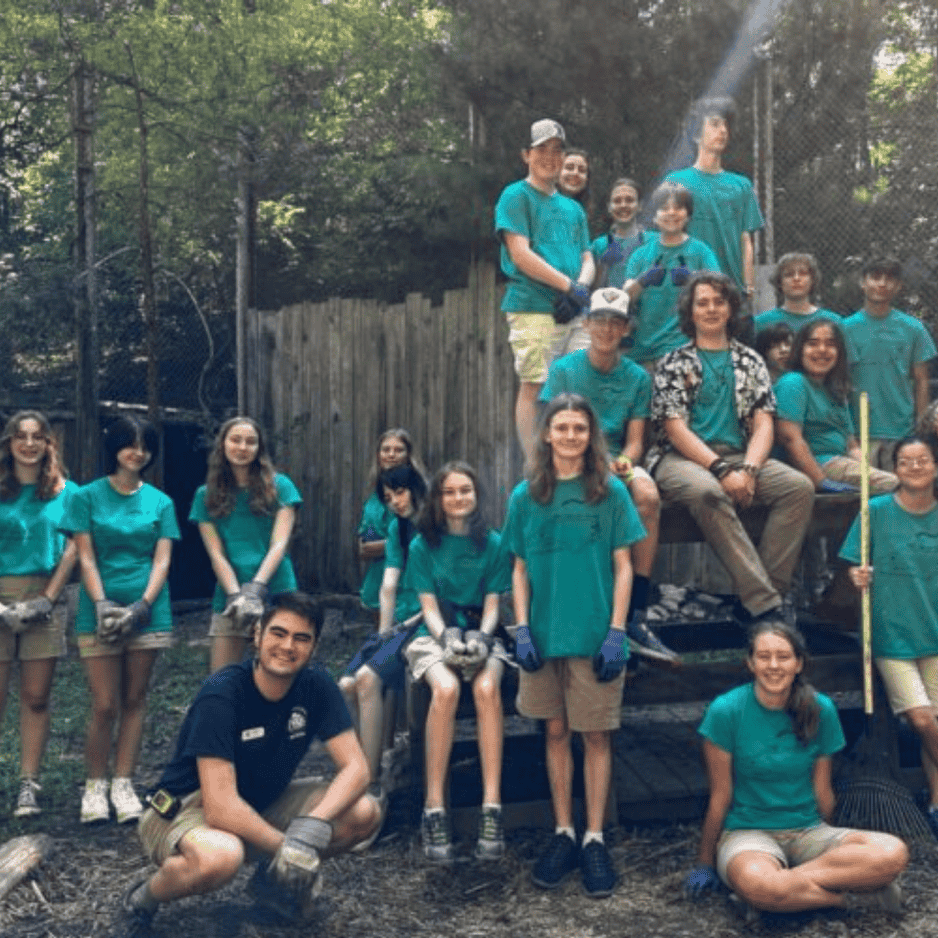
What is your role at the Nature Center? I am the Co-leader of the Young Naturalists Program at the WNC Nature Center. Young Naturalists is a summer program for teens interested in conservation and animals.

Personal Connection

How did your journey with the WNC Nature Center begin, and what keeps you coming back?

I have lived in Asheville my whole life and have been coming to the Nature Center since I was younger than I can remember. My sister loves wolves, so we would come see the gray wolves – Jenna and Shalimar (here from 2007-2015). I deepened my involvement when I became a Young Naturalist during my high school years, from 2018 to 2022. Last year was my first year interning at the Nature Center as a Co-leader of the Young Naturalists program. This year, I am considered “seasonal staff.” I’m excited to be on staff and continue my involvement with the Young Naturalists program.

Can you share a favorite memory or experience at the Nature Center that stands out?

I participated in a Wild Walk with my sister, and we went behind the scenes of the Predator habitat, where we got to see their night house behind their habitat. We were offered a much deeper experience than the typical guest receives when visiting the Nature Center. It was truly memorable.

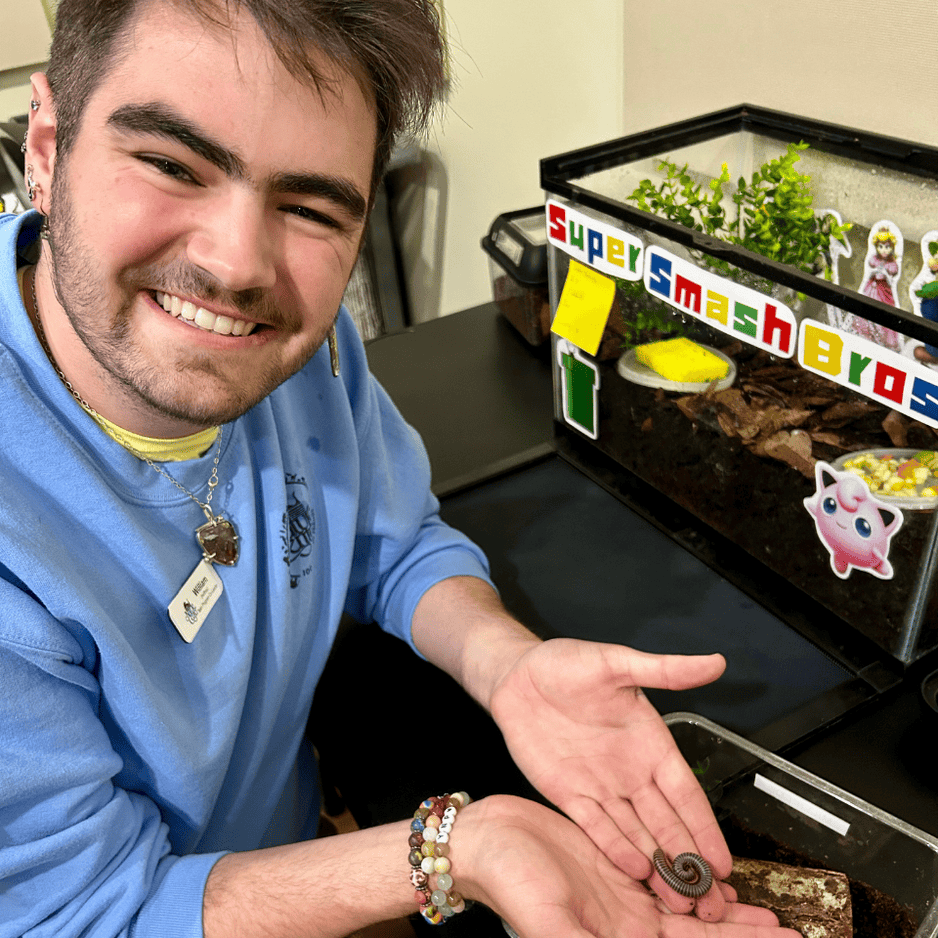
Also, as a Young Naturalist, I got to handle animal ambassadors. It was the first time I handled an animal that was not a household pet. I learned how to work with black rat snakes Oak and Birch; Ginger the corn snake; box turtles Rosa, Mayberry and Red; and Madagascar hissing cockroaches. From that experience, I gained an understanding about the importance of the special training required to handle the animals at the Nature Center.


What has been the greatest reward of your involvement with the Nature Center?

Being able to curate and build a safe space for teens over the summer, who like me, love nature and want to be with other nature lovers. Last year, we had 102 teens who didn’t all know each other, but I was able to help facilitate a fun, safe, and educational environment for all of them.


Mission & Impact

In your view, how does the WNC Nature Center go beyond being just a zoo?

The Nature Center offers such diversity of education and experiences, including otter feedings, ambassador animals, outreach education programs through the summer and school year, and events like Brews & Bears. They effectively weave together many worlds to provide an exceptional experience for guests – local and visitors alike.


How has the Nature Center contributed to conservation efforts in Western North Carolina?

It starts with sparking passion in people; making people WANT to conserve what we have. The Nature Center does a great job of bringing nature to people, showing them what needs to be conserved, why, and helping build personal connections. The animals here wouldn’t be able to survive in the wild without the Nature Center’s team. Being able to give those animals a second chance as ambassadors of their species plays a huge role.

Also the Nature Center’s involvement in the SAFE (Saving Animals from Extinction) program is so critical – helping to save animals from extinction and providing an education about the implications of this regionally, statewide, and globally.

We are a very resilient community. The Nature Center has had to close multiple times – during World War II, during COVID, during Tropical Storm Helene – and we came back stronger than we were prior to those closures. It’s a tribute to the people who are invested in us – our guests, members, donors, the City of Asheville, and the Friends Board of Directors. We definitely have a sense of place and purpose.

Looking to the Future

What hopes do you have for the next 100 years of the WNC Nature Center?

I hope we see an expansion into the historically native arena – what used to be here. The Southern Appalachian Mountains are ancient. Ecosystems are millions of years old. To showcase the changing ecologies and animals that used to be here would be so educational and neat for the public to see.

What role do you see education playing in the future of wildlife conservation? 

The possibilities are endless. Young Naturalists are future conservationists. They will become stewards of our regions and help to spread the word and continue the conservation conversation. They will build a foundation for future careers elsewhere and take the conservation message with them wherever they go. The job-building skills they develop through this Young Naturalist program is invaluable and critical for them to succeed and thrive in their future career endeavors.

Fun Reflection

If you could be any animal at the WNC Nature Center for a day, which one would you choose and why?

Bobcat! Their habitat looks like so much fun to be in. They care for each other and interact with each other in a fun way. It would be a day of play and joy!

What’s one surprising fact about the Nature Center that most people don’t know?

There’s always another project bubbling under the surface. There’s always something new that every department is planning. Habitat improvements, enrichment, education – the Nature Center is an idea factory and always churning out exciting new opportunities for their guests – and for their animals!

How would you describe the Nature Center in three words?

    1. Inspiring
    2. Wild
    3. Welcoming

Are you interested in learning more about the Young Naturalist summer program at the WNC Nature Center? Visit dev.wildwnc.org/teen-programs. To find out about future apprenticeships and employment opportunities, visit dev.wildwnc.org/employment.

More Than A Zoo: Chris Gentile

 More Than A Zoo: Highlighting the personal connections and the broader impact of the WNC Nature Center in its 100th year

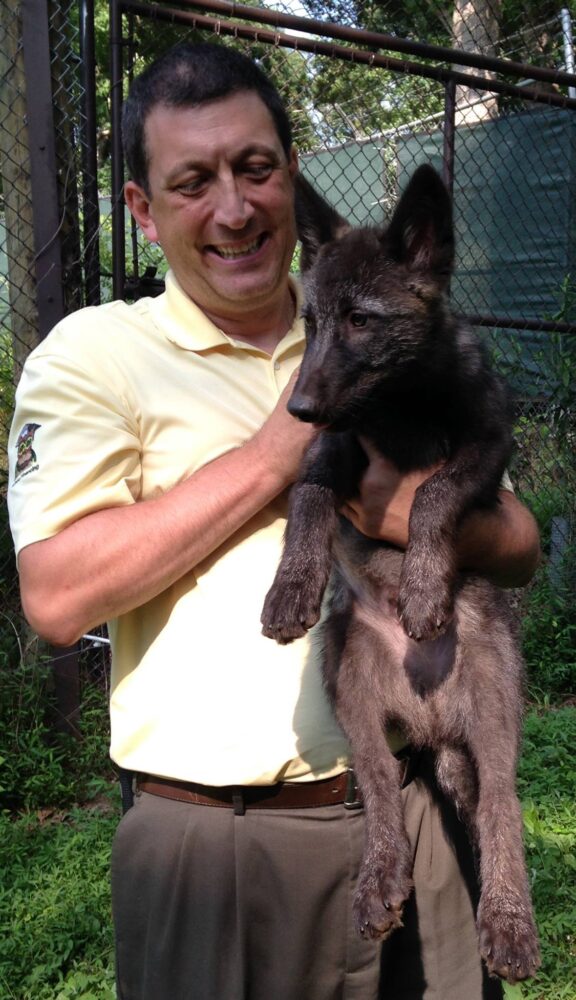
Each month during our centennial year, we’ll be interviewing people who have had an impact on the Nature Center. This month we’re talking with Chris Gentile, director of the Nature Center for the past 16 years!

Meet Chris Gentile

What is your role at the Nature Center? Director, WNC Nature Center 

Personal Connection

How did your zoo career begin?

It took me a while to get to the Nature Center! I graduated with my Masters degree in education in 1993 and immediately had the opportunity to start my career coordinating Cincinnati Zoo’s “Zoo Academy” education program. They had a high school on their campus that provided technical units and training. I ran that program for three years.

I then took a job as the Education Curator at the Roger Williams Park Zoo, in Providence, Rhode Island in 1995. I was there for five years, before joining Zoo New England as their Education Director. In 2001, I made my way South and became the Education Director at Riverbanks Zoo in Columbia, South Carolina, and thereafter, was the Director of Oatland Island Wildlife Center in Savannah, Georgia. I joined the WNC Nature Center as their Director in 2009.  The first order of business was to work on gaining AZA accreditation – which we achieved again in 2010.

Can you share a few moments over the many years that stand out?

In my time here, one of the most important things that has happened from a physical standpoint was the Front Entrance project in 2018. It’s when we noticed a significant increase in attendance. 

All of the sudden, we were better at welcoming guests: it was easier to park – we tripled our parking capacity; it was more seamless to get through the line; restrooms were more accessible, among many other things.

From a business operations standpoint, the most important thing that occurred was our move in 2020 under the City of Asheville’s newly renovated Community Regional Entertainment Facilities (CREF) Department. We are immediately housed under a department that encourages regional outreach visiting, and this opened up so many doors in terms of funding, access, and connectivity.


What has been the greatest reward of your involvement with the Nature Center?

  • Seeing attendance double over 9 years from 2010 to 2019.
  • Knowing that people consider the Nature Center as part of their experience, especially those who live in WNC and make the Nature Center part of their daily lives. 
  • All the hard work put in on a daily basis and the positive impact this has on our guests and on the animals that have been entrusted to our care. 
  • Maintaining our accreditation. The standards for accreditation are higher than they have ever been. We are proud that we continue to improve each and every year to meet these demands.


Mission & Impact

In your view, how does the WNC Nature Center go beyond being just a zoo?

Our focus on the Southern Appalachian Mountains ecosystem – since our region is so rich in biodiversity and has such an interesting geological past, we can highlight the elements that make our region unique.

Not many of our AZA partners focus on one regional area. We are able to dive deeply into the culture of our own region – and the paleontological past and present.

What do you think the Nature Center’s 100-year legacy means to the community?

We are a very resilient community. We’ve had to close multiple times – during World War II, during COVID, during Tropical Storm Helene – and we came back stronger than we were prior to those closures. It’s a tribute to the people who are invested in us – our guests, members, donors, the City of Asheville, and the Friends Board of Directors. We definitely have a sense of place and purpose.

Looking to the Future

What hopes do you have for the next 100 years of the WNC Nature Center?

I’d want for us to maintain our status as the number one place to come learn about Southern Appalachian wildlife, and to only grow stronger in that realm. People come to this region for the natural encounters – Blue Ridge Parkway, Great Smoky Mountains and the National Park- outdoor activities – and in order for us to continue to serve as the group that can promote wildlife in wild places in WNC, we have to stay the course. We need to continue to be a big part of those natural encounters. We need to stay on the path of our mission, remain resilient and be open to new opportunities. We need to think bigger than the front gates of the Nature Center.

What role do you see education playing in the future of wildlife conservation? What does this mean locally?

Education is one of the cornerstones of our mission and is important in so many different ways to ensure environmental resilience. A lot of the education we see happening around us is through people passing stories down to each other and through shared experiences. Storytelling and shared experiences are at the heart of how education occurs, and we want to help facilitate that. People can experience multiple styles of environmental education through the Nature Center: on-site group education; interpretation; outreach education at schools, libraries, and in retirement communities; and “for fun” education, such as the Wolf Howl, Night at the Nature Center and Wild Walks. Shared experiences promote growth of knowledge. 

Fun Reflection

If you could be any animal at the WNC Nature Center for a day, which one would you choose and why?

All of our animals get such excellent care… how could I pick just one!? My favorite animals have always been the cats – cheetahs and snow leopards. Here at the Nature Center, it would definitely have to be the cougars, because they seem so wise. They have knowledge that humans couldn’t ever understand. It would be cool to be a cat for a day.

What’s one surprising fact about the Nature Center that most people don’t know?

Most people don’t realize that without the other thousands of City of Asheville employees, we would not exist. Our Human Relations, Finance, Fleet, Public Works, Streets – you name it. Forty of us at the Nature Center could never do what the thousands do. Being a part of the City of Asheville team is what makes us great.

How would you describe the Nature Center in three words?

    1. Resilient
    2. Fun
    3. Historical

Are you interested in learning more about educational programs and events at the WNC Nature Center? Visit dev.wildwnc.org/events. To find out about future apprenticeships and employment opportunities, visit dev.wildwnc.org/employment.

More Than A Zoo: Laura Pearson

 More Than A Zoo: Highlighting the personal connections and the broader impact of the WNC Nature Center in its 100th year

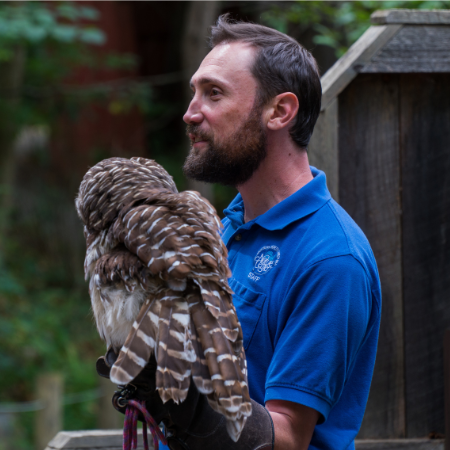
Each month during our centennial year, we’ll be interviewing people who have had an impact on the Nature Center. This month we’re talking with Laura Pearson, who has been employed at the WNC Nature Center as an animal keeper since 2005!

Meet Laura Pearson

What is your role at the Nature Center? I’m proud to be on the Animal Care team at the Nature Center. I rotate locations in the park weekly and work with a wide variety of species which definitely keeps it interesting! No two days at the Nature Center are the same.

Personal Connection

How did your journey with the WNC Nature Center begin, and what keeps you coming back?

After graduating with a Bachelor’s degree in Wildlife Science, I visited Asheville and the WNC Nature Center. I knew on that visit that I wanted to work here and began volunteering soon after moving. After a year of volunteering, I was hired as a wildlife rehabilitation intern. I helped place injured and orphaned wildlife that arrived at the Center with licensed wildlife rehabilitators. Then, after approximately two years of volunteering and interning, I was hired as an Animal Naturalist. I was so excited to be given the opportunity to work here and still am to this day! I truly love working with wildlife and with such a wonderful group of people.

Can you share a favorite memory or experience at the Nature Center that stands out to you?

One of my favorite experiences at the Nature Center is from several years ago. I was the primary caretaker for a long-tailed weasel named Watson. He was one of our ambassador species that was used for educational programs around the park. Weasels are a very fun and interesting animal to work with and are still one of my favorites!

What is the greatest reward of your involvement with the Nature Center?

My greatest reward is being part of this community. I feel like as an adult I have “grown up here” and have met so many amazing people along the way. Several of my closest friends are people that I currently or previously have worked with. The staff and volunteers at the Nature Center are so kind and truly want to help each other out. I especially love seeing visitors that come to the Nature Center week after week. It is rewarding to see their friendly faces out in the park and get to know them over time. I am thankful to be a part of a wonderful community of like-minded people.


Mission & Impact

In your view, how does the WNC Nature Center go beyond being just a zoo?

Strolling along the Nature Center’s pathways is like taking a walk through the forest. The animals living at the Center are animals that are currently or previously native to the mountains of Western North Carolina. Their habitats are naturalistic, representing how their wild counterparts might live. The Nature Center is smaller than most zoos and provides a more intimate experience for its guests. There are several opportunities within the park for guests to relax in nature or to explore one of the many natural play areas.

How has the Nature Center contributed to conservation efforts in Western North Carolina?

The Nature Center has contributed to several local conservation efforts over the years. One of these is partnering with the North Carolina Wildlife Resources Commission with BearWise. The Nature Center educates its visitors on how to safely coexist with native wild black bears. BearWise officials have an educational table and presentation at our summer event series, Brews & Bears. Also, in the past, Nature Center staff have our two resident black bears test trash cans for the North Carolina Wildlife Resources Commission in order to help design bear proof trash cans.

The Nature Center has also assisted in local reptile and amphibian conservation efforts. Currently, we participate in a head start program for juvenile box turtles and juvenile snapping turtles. These species reside at the Nature Center for a few years prior to being released back into the wild. This allows these turtles to get a “head start” that hopefully allows them to have better survivorship in the wild. Additionally, the Nature Center has also participated in Frog Watch training. This citizen science training teaches its volunteers how to identify frog and toad calls during breeding season and report their findings to assist with population counts. 

The Nature Center assists butterfly populations by planting milkweed gardens for monarch butterflies. A new permanent Pollinator Garden exhibit will be opening soon that will help educate the public on the importance of helping pollinators.

What do you think the Nature Center’s 100-year legacy means to the community?

The Nature Center’s 100-year legacy shows that the Nature Center is highly valued by the community! People need a place to safely get outside with their family and connect with nature. The 100-year legacy shows that the Nature Center is a vital resource and here to stay.  
Looking to the Future

What hopes do you have for the next 100 years of the WNC Nature Center?

I truly hope the Nature Center continues to showcase native flora and fauna. This location is so unique, and I wish for its preservation for the future! I would love to see the development of more education and citizen science conservation programs that support the local natural environment. I would also love to see the addition of more native species such as elk, bald eagle, and bats.

How can the community support the Nature Center’s mission moving forward?

The community can show support for the Nature Center by visiting regularly or becoming a member, if you haven’t already. Volunteering in areas like the farmyard, preparing animal diets, or serving as a docent are excellent ways to contribute!  Providing feedback to our staff is helpful for us to not only enhance the visitor experience, but also guide us as we further the Nature Center’s mission of education and conservation. Even something as simple as spreading the word about the Nature Center is a valuable form of support!

What role do you see education playing in the future of wildlife conservation? What does this mean locally?

I wholeheartedly believe that it’s essential to teach future generations to value the nature found in their own backyards and local surroundings. Without an appreciation for our environment, we lose the motivation to protect it. Places like the Nature Center play a crucial role in educating people about the importance of preserving local forests and native species. Locally, this could involve teaching how to coexist with black bears, maintaining clean waterways to safeguard amphibians and fish, and learning methods to assist local pollinators like bats and insects.

Fun Reflection

If you could be any animal at the WNC Nature Center for a day, which one would you choose and why?

The bobcats! They are always so interactive with each other and their environment. I wish I had their agility and energy! They are definitely a favorite amongst our guests.

What’s one surprising fact about the Nature Center that most people don’t know?

Many people may not realize the diverse talents within the animal care department beyond animal caretaking. For instance, one of our animal keepers is a songwriter and musician, while a few others are talented artists. Another caretaker excels at writing and is working on a novel while another specializes in jewelry making and knitting. One member of our Animal Care team is an experienced carpenter while another has impressive skills creating intricate spreadsheets. Each of them has contributed their unique abilities to the Nature Center. Their contributions include serenading the animals, painting murals, crafting holiday decorations for animal enrichment, writing articles and manuals, designing habitats, and developing our enrichment and training program.

How would you describe the Nature Center in three words?

    1. Educational
    2. Natural
    3. Beautiful

Are you interested in learning more about becoming a volunteer at the WNC Nature Center? Visit dev.wildwnc.org/volunteers. To find out about future apprenticeships and employment opportunities, visit dev.wildwnc.org/employment.

Honoring the Founding Mothers During Women’s History Month

The Friends of the WNC Nature Center hosted their inaugural Heart of the Wild luncheon on March 9, honoring the Nature Center’s history and a group of visionary women who played a pivotal role in transforming the Nature Center into the wildlife park that it is today.

More than one hundred attendees came together to celebrate the past, present, and future of the WNC Nature Center. Kate Frost, Executive Director of the Friends, shared the rich history of both organizations and an inspiring vision for the future. “Fifty years ago, the Junior League of Asheville, the Founding Mothers, and countless others chose to give, and the Nature Center exists today because of their actions and generosity,” she shared. “Your continued support helps us protect wildlife, educate future generations, and ensure the WNC Nature Center continues to thrive for the next hundred years.”

In January 1973, the U.S. Department of Agriculture recommended closing Recreation Park Zoo due to poor conditions. Around the same time, the Junior League of Asheville completed a year-long study with the City, ultimately recommending the creation of a children’s zoo and nature park.


With a generous donation from the Junior League of Asheville, along with in-kind labor, materials, and community support, the zoo was reimagined. A dedicated committee of women from the Junior League played a critical role in designing, fundraising, and rallying the community behind the children’s zoo project. As a result, Jeanne Cummings, Audie Bayer, Millie Elmore, Martha Gentry, Dershie McDevitt, and Sally Rhoades became known as the Founding Mothers of the WNC Nature Center.

In addition to championing the children’s zoo, the Junior League of Asheville helped form a zoological society to ensure the zoo’s continued growth. Incorporated in March 1975, the nonprofit – originally called The Nature Society and now known as the Friends of the WNC Nature Center – was created to support the transformation of the zoo. The WNC Nature Center was re-visioned with a renewed focus as an education facility committed to native wildlife of the Southern Appalachians. Its grand opening occurred two years later in May 1977.

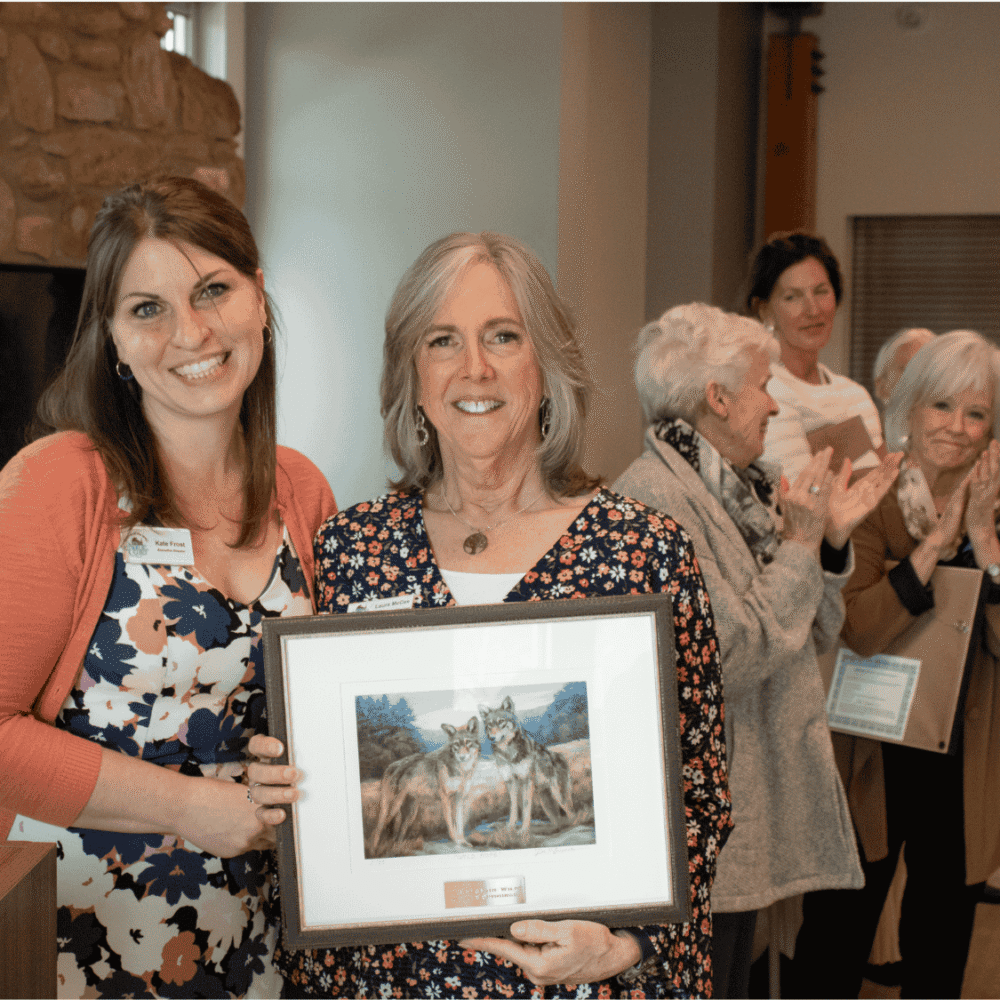
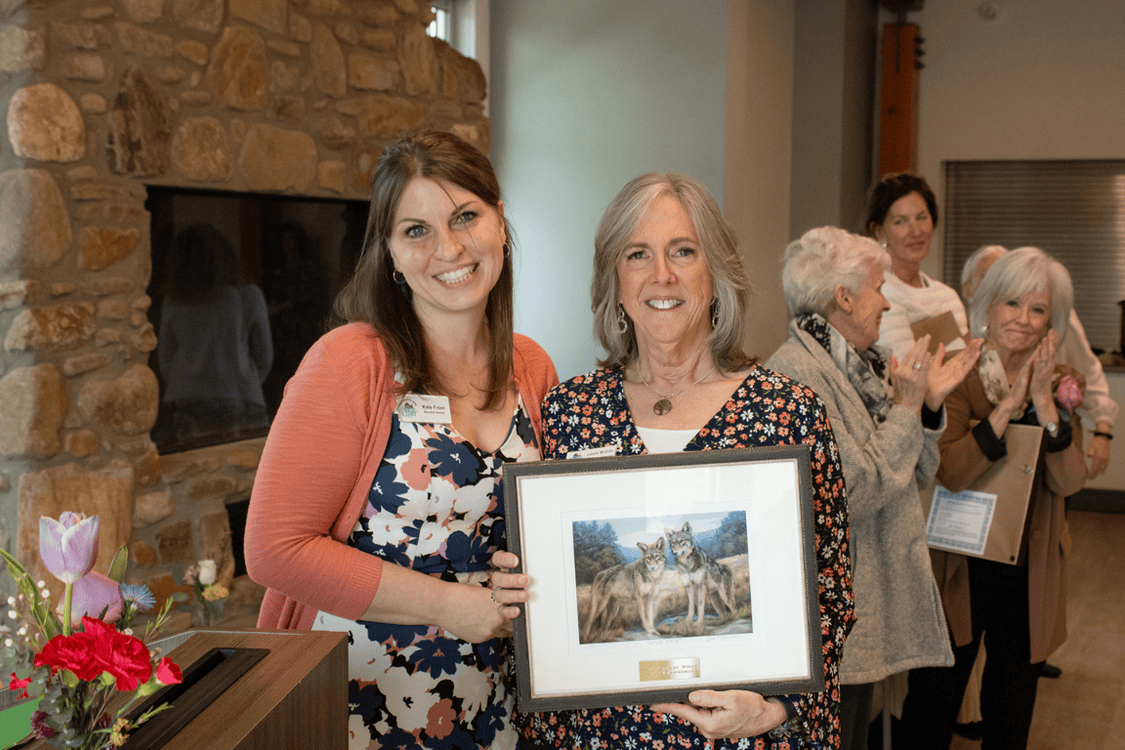
“The Founding Mothers were visionaries, fundraisers, negotiators, designers, even animal handlers – whatever was needed to bring this dream to life,” said Frost during the event. “It is through their tenacity, their wild and unwavering spirit, that the WNC Nature Center exists today. Because of them, we are.” Audie Bayer, Millie Elmore, Dershie McDevitt, and a family representative of Martha Gentry, Sally Rhoades, and Jeanne Cummings received Heart of the Wild awards, framed artwork of the Nature Center’s Red Wolves created by local artist Zoe Shumaker.

Jennifer Hoffmann, the president of the Junior League of Asheville, was present with several other League members to acknowledge this moment in the Nature Center’s history and the League’s role in supporting the transformation of the wildlife park. “This event honors the visionary women of the Junior League of Asheville who helped bring the WNC Nature Center to life and it hopes to inspire the next generation of explorers and conservationists. We are proud to carry the legacy of the Founding Mothers forward and to ensure that even more children can explore the natural world and discover their place within it.”

To celebrate their enduring partnership with the WNC Nature Center, the Junior League of Asheville also announced the establishment of their Spirit of the Wild Legacy Scholarship, a new initiative to deepen their commitment to environmental education for youth in Western North Carolina. This scholarship will provide increased access to the Nature Center’s youth education programs, including beloved experiences like summer camps, the Young Naturalist program, and community outreach events. 

The Friends of the WNC Nature Center intend to make the Heart of the Wild luncheon an annual event that will recognize key supporters who have made a significant impact. To find out more about the history of the WNC Nature Center and the Founding Mothers’ contribution, visit dev.wildwnc.org/celebrate.

More Than A Zoo: Jon Hettrick

 More Than A Zoo: Highlighting the personal connections and the broader impact of the WNC Nature Center in its 100th year

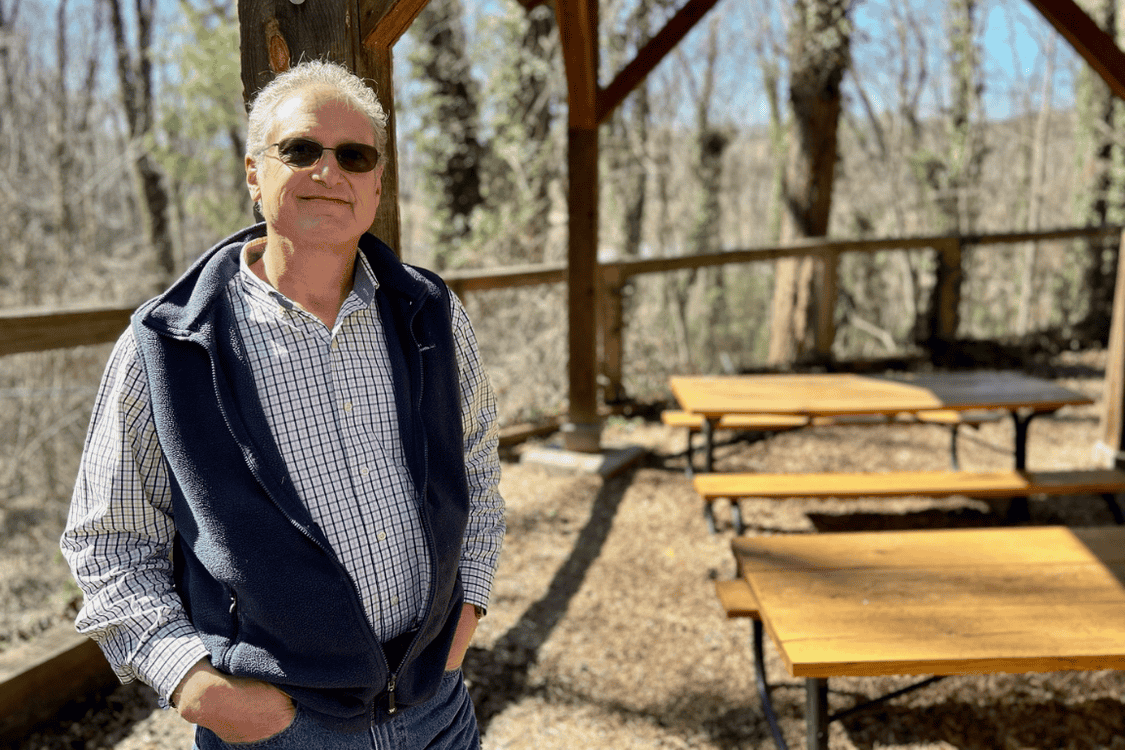
Each month during our centennial year, we’ll be interviewing people who have had an impact on the Nature Center. This month’s Q&A is with Jon Hettrick. Jon is a former board member of the Friends of the WNC Nature Center and also served for several years as the Friends’ Interim Executive Director.

Meet Jon Hettrick

What was your role at the Nature Center? I was a member of the Friends of the WNC Nature Center Board of Directors. In 2013, there was a leadership transition and I was asked to be the interim Executive Director of the Friends. There wasn’t a determination of how long I would be in this role. Two weeks? Two months? I ended up leading the organization for two years!

A big part of my job was to support the Friends Board of Directors, help lead the search for the next Executive Director, and to keep the ship steady. During that time, the Board was also able to accomplish a lot of things still visible today, like securing funding and construction of Arachnid playground and picnic pavilion, the Red Wolf habitat extension, the construction of the main events plaza, and the expansion of the honorary bench program. I think most importantly, I was able to be a part of the negotiations to solidify the MOU (memorandum of understanding) between the Nature Center (City of Asheville) and the Friends organization.

Personal Connection

What keeps you interested in what’s going on at the Nature Center?

I’ve always valued education and the opportunity the Nature Center provides for local children – and adults, too! My daughter grew up going to the summer programs. I just recently gave away many, many years of summer camp t-shirts – such great memories! 

I also loved going up to the Nature Center on days when there were school field trips. It’s chaos,  but it’s those days you truly see the impact the Nature Center can have. So many of these kids do not have the opportunity to go elsewhere. We are the best accessible “zoo” option locally. It’s important for these kids to learn about the native animals, like the hellbender. They learn about lions and tigers in school, but do they learn about the local native species? 


Can you share a favorite memory or experience at the Nature Center that stands out to you?

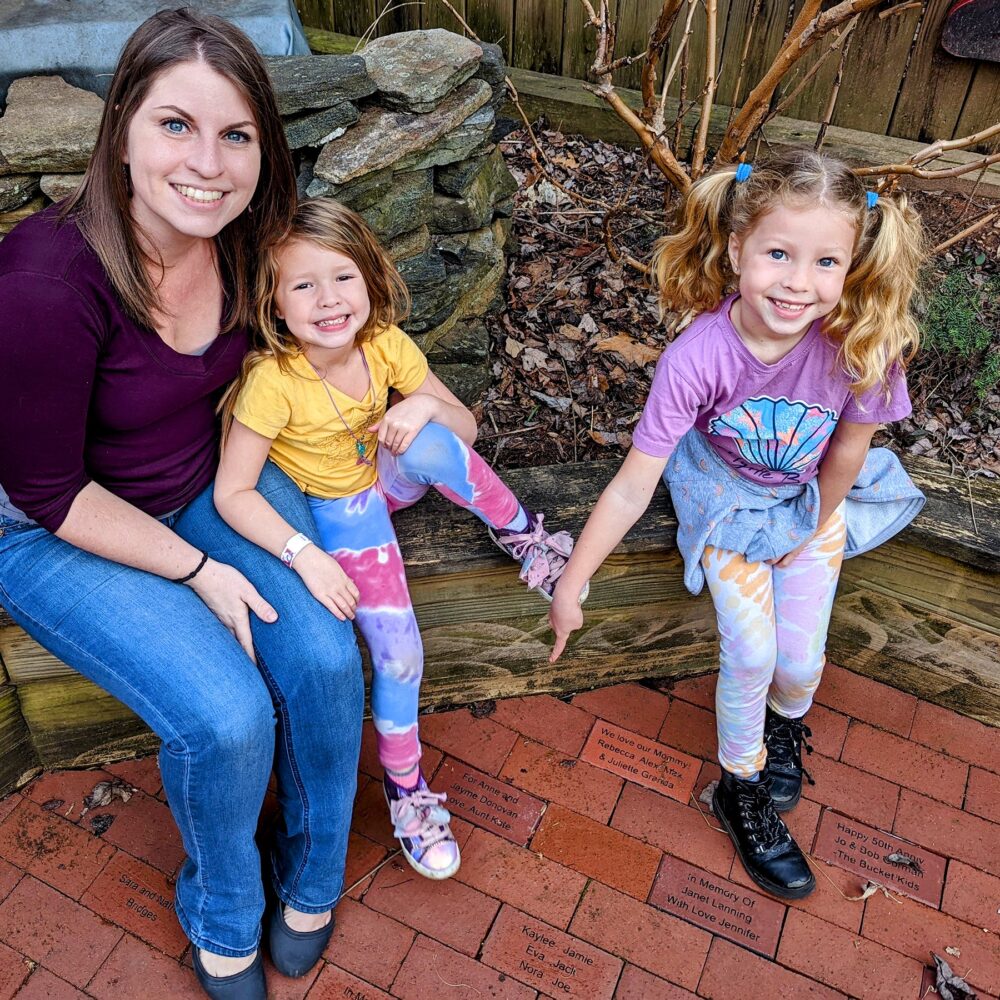
During my time with the Friends and for a few years following, I installed the engraved bricks that were sold as tributes as part of the Friends fundraising program. It was fun. I would take the opportunity to call the people who purchased bricks and let them know that their brick was installed. The best part was taking them through the park to see their brick.

What is the greatest reward of your involvement with the Nature Center?

When we successfully recruited and hired the next Friends Executive Director in 2015. I knew we had accomplished a lot along the way, and the Board and I had a great time together in the process.

Mission & Impact

In your view, how does the WNC Nature Center go beyond being just a zoo?

The Nature Center has done just that, and it has consistently worked towards being more than a zoo through events and programs that truly showcase how special a place it is. From Brews & Bears, to private events, Running of the Goats, after-hours educational programs – the Nature Center is a great place for multi-generational community engagement. The Friends have really helped to bolster the Nature Center’s impact.

How has the Nature Center contributed to conservation efforts in Western North Carolina?

Education. It’s so accessible. There are opportunities to learn at every turn of the Nature Center. And when you can’t get to the Nature Center, the outreach education program – going into schools and libraries in the various communities in WNC – is such a great way to teach conservation to kids of all ages and demographics.

What do you think the Nature Center’s 100-year legacy means to the community?

I think for a majority of the residents of Western North Carolina, if they know the Nature Center exists, they don’t think about the fact that it’s been around for 100 years. They just have fond memories. It’s important to highlight the 100 years and everything that went into founding a mission-oriented Center. We’ve made it to 100 years!

Looking to the Future

What hopes do you have for the next 100 years of the WNC Nature Center?

I see the Nature Center as spearheading a resurgence of the environment being paramount, and education being critical and pivotal. I see tremendous opportunity for growth, both physically and through the Friends’ outreach education program.

How can the community support the Nature Center’s mission moving forward?

Beyond being a member and supporting financially, we have to encourage and advocate. Whether it’s bringing the kids to spend the day, or attending events like Brews & Bears, Critter Check Up, or whatever else is going on, we have to make the Nature Center part of our routine. 

Fun Reflection

If you could be any animal at the WNC Nature Center for a day, which one would you choose and why?

Cougars! They are so slow and gentle, and yet extremely powerful. Pisgah and Mitchell were the cougars at the Nature Center during my time there. They were so docile and peaceful, but if you’d watch them interacting with enrichment, it was a different story. They were springs wound so tightly – so powerful. You just want to go in there and love on them, but you know they’d get ya!

What’s one surprising fact about the Nature Center that most people don’t know?

The amazing partnerships the Nature Center has had with so many local organizations, like The American Chestnut Foundation. Oftentimes people don’t stop to read signs in the park.

How would you describe the Nature Center in three words?

    1. Education (teaching the community about the beauty of nature around us and how we can and should live in harmony)

    2. Inspiration (seeing the discovery happen as guests walk from exhibit to exhibit)

    3. Recreation (watching the physical joy that occurs when we interact with wildlife and nature)

Are you interested in learning more about becoming a board member of the Friends of the WNC Nature Center? Email Kate at [email protected]. Want to learn more about buying a brick? Visit dev.wildwnc.org/buy-a-brick or email Cindy at [email protected].